Location
Salford isthe story.
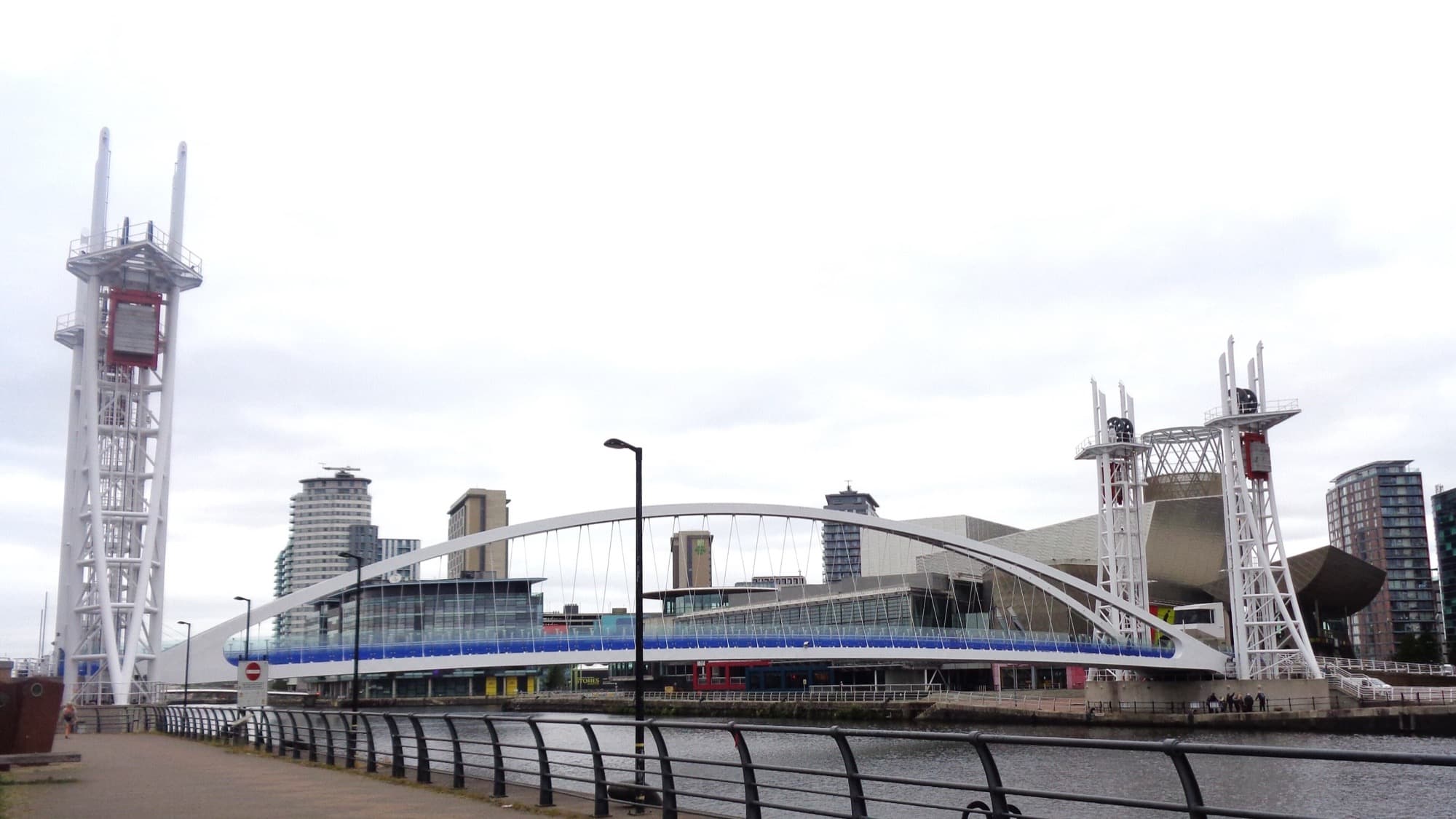
Salford is a city in its own right. This part of it spent a century making things, and is now being rebuilt around what that left behind.
HomesPeoplePlacePermanence
The ground
Old Islington.New Salford.
Before it was a postcode, this was Islington: the wedge of streets between Oldfield Road, Regent Road and the river. Iron founders, cotton spinners, engineers and dyers all worked here, their premises packed shoulder to shoulder along the canal.
The Manchester, Bolton and Bury Canal ran through it, and Duncan Street was a street of workshops. The scale of the buildings around you still tells you that.
The works have gone. The street grid has not, and it is being built on again.
Regeneration
£5bn of new city,within a mile.
Duncan Street sits inside the largest concentration of regeneration in Greater Manchester. Four schemes worth more than £5 billion are under way within a mile of the front door.
Salford has set itself a target of 40,000 new homes and 40,000 new jobs by 2040, and most of them land in the district Pergola Residence stands in. The council calls it the fastest-growing part of Greater Manchester, and the census backs it up: the population rose 15.4% between the last two counts.
Every scheme below brings workers, students and residents who need somewhere to live. They arrive minutes from Duncan Street, and years before those schemes are finished.
Regent Park
£1.3bn5 min walk
3,300 homes, ten towers, a 2.5-acre park and 100,000 sq ft of shops
Approved November 2025. Henley Investment Management. Ten-year build.
The retail park at the end of Regent Road becomes a new neighbourhood centre. Pergola Residence gets the shops, the park and the footfall without the wait.
Middlewood Locks
£1bn8 min walk
2,215 homes, Grade A offices, hotel, retail and leisure across 25 acres of canal basin
1,306 homes complete and 2,600 residents in place. 909 more funded for 2026.
Ten years in and half built, which is fair proof that this end of Salford lets and sells. The canal-side public realm is already finished.
Crescent Salford
£2.5bn12 min walk
240 acres, 3,000 homes, and a million square feet each of innovation and university space
English Cities Fund with the University of Salford and the council. First phases in planning and on site.
A university campus rebuilt as an innovation district. Thousands of students and researchers, plus the employers that follow them, all inside walking distance.
New Bailey & Salford Central
£650m12 min walk
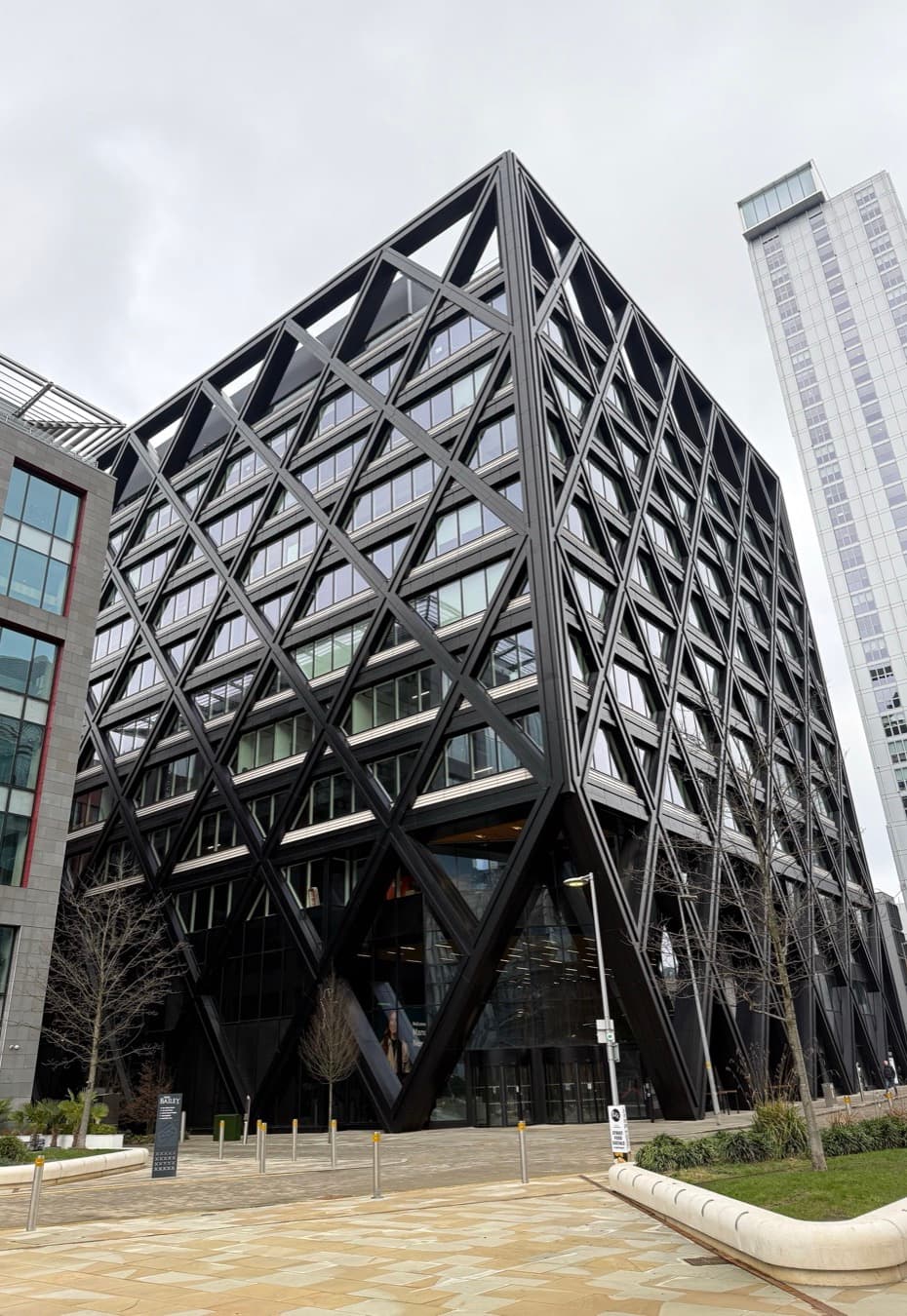
44 acres of offices, homes and hotels on the Salford bank of the Irwell
Largely delivered. HMRC's regional hub for 2,400 civil servants. BT on a 20-year lease.
The professional tenants are already here. Government, telecoms, law and accountancy, twelve minutes away on foot with no river to cross.
Greengate
£1bn+20 min walk
Salford's historic core rebuilt as a high-rise quarter; Renaker's three towers alone bring 1,500 homes
Bankside completed 2025. Further towers consented or in planning.
Greengate sets the ceiling for city-centre Salford values. Pergola Residence sits a mile west of it, at a fraction of the entry price.
MediaCity
£1bn12 min cycle
Phase two doubles the site: up to 1,871 homes and 50,000 sq m of offices
BBC, ITV and dock10 in place. Expansion under way.
The North's media and technology employer base, a short cycle from the door. It is a tenant pool that renews itself every year.
Getting better connected.
- Salford Central's £10m upgrade completed in October 2025: wider platforms, a new roof, step-free access and Bee Network branding.
- Up to 64 Greater Manchester rail stations join the Bee Network by 2028, bringing tram, bus and rail under one ticket.
- The number 30 Bee Network bus, running since January 2026, links Salford Quays, the Trafford Centre and Manchester city centre along Ordsall Lane.
- Salford Crescent station, the university stop, is mid-way through a £21m rebuild.
Duncan Street, Salford M5
£5bn of new city,within a mile.
Considered homesbuilt to last
Connectivity
On foot.By rail. By bike.
Times are approximate and will be verified against TfGM and National Rail data before launch.
- Chapel Street corridor
- Walk8 min
- Salford Central station
- Walk12 min
- Crescent Salford
- Walk12 min
- Salford Crescent station
- Walk15 min
- Spinningfields
- Walk18 min
- Manchester city centre (Deansgate)
- Walk20 min
- MediaCityUK
- Cycle12 min
- Manchester Piccadilly
- Rail from Salford Central9 min
- Manchester Airport
- Rail from Deansgate25 min
Lifestyle
More thana location.
Independent cafés, green space, cultural landmarks and genuinely good transport links, with the city sitting on the doorstep. Salford has never had much trouble with its own identity.
Independents
The Chapel Street corridor is eight minutes away on foot and has picked up a run of independent cafés, bars and restaurants.
Green space
Walking routes follow the Irwell, and Regent Park brings a 2.5-acre park five minutes south as it is built out.
Getting around
Salford Central is twelve minutes on foot. Piccadilly is nine minutes by train from there, and the Bee Network now puts tram, bus and rail on one ticket.
Culture
The Lowry sits down at the Quays with two theatres and a gallery. Closer in, studios and small venues have taken over a good deal of the old industrial stock.
The river
The Irwell runs a few streets away, with walking and cycling routes along both banks into the city centre.
Register interest
Be first to hearwhat happens next.
Register and we will send you release dates, floorplans and pricing as they are confirmed, along with invitations to private viewings.